A first aid course is one of the few things you can do at university that could essentially save a life. I have actually seen it change how trainees respond in emergencies, exactly how confident they feel in jampacked lecture halls, on sporting activities areas, and in shared real estate.
The obstacle is time. In between classes, part‑time work, and social life, a standard full‑day first aid training session can feel difficult. That is where fast first aid courses, express CPR training, and mixed first aid and CPR course choices end up being important for pupils that desire real skills without shedding a whole weekend.
This guide walks through what these fast and express choices really cover, how to pick a reliable provider, and how to fit first aid and CPR courses right into an active term without treating them as a box‑ticking exercise.
Why fast first aid matters on an university campus
Universities are high‑density environments. You see:
Crowded lecture theatres. Sports clubs pressing difficult on fitness. Night life with alcohol and sometimes drugs. Labs with chemicals and devices. Cooking areas in trainee real estate where individuals prepare for the very first time in their lives.
Most events that activate first aid and CPR training in students are not remarkable catastrophes. They are smaller sized yet still serious events. A roommate having a serious allergy to peanuts. A buddy collapsing on a run. A complete stranger on campus with a seizure. A colleague enduring a suspected concussion.
In each of these, the initial few mins matter even more than anything else. A fast first aid action does three essential points:
It keeps the person to life or protects against quick damage till an ambulance arrives.
It reduces the severity of injuries and complications. It relaxes the scene and offers clear roles to bystanders.This is where a small first aid and CPR course comes to be functional. Pupils can not always devote to a full multi‑day program, but they can frequently handle a 3 to 6 hour fast first aid course or express first aid training session throughout a mid‑semester time-out or analysis week.
What "fast" truly implies in first aid and CPR training
Not every fast first aid training choice is the same. Some pupils presume "fast" or "express first aid course" suggests "watered down". That is not always true, however you need to recognize what is being trimmed.
From my deal with training service providers, right here is how the primary formats have a tendency to differ:
Short express CPR courses concentrate nearly entirely on identifying heart attack, calling for assistance, high‑quality CPR, and utilizing an automated outside defibrillator (AED). These are frequently 2 to 3 hours long.
Fast first aid courses, generally 3 to 6 hours, include core first aid abilities such as choking, bleeding control, standard injury treatment, and management of subconscious casualties. Blended or hybrid first aid and CPR course styles incorporate a much shorter in‑person useful session with online concept, quizzes, and pre‑reading. The complete discovering time may still match a full course, however you regulate when you complete the theory. Express child care first aid courses cover conventional web content plus child‑specific subjects like infant CPR, choking in children, and typical playground injuries, generally in a concentrated timeframe for student parents, education majors, and childcare workers.The "fast" part usually describes how the content is delivered, not to the full elimination of essential subjects. Great companies strip out repetition, long talks, and unneeded theory while maintaining technique on CPR manikins, bandaging, and scenario‑based learning.
When you see "fast cpr courses" or "express cpr training" promoted, check whether they are standalone CPR training or component of an integrated first aid and cpr course. You want clarity on what will in fact be learned during those hours.
Skills that matter most for students
A long listing of topics looks remarkable in a sales brochure, but also for pupils the most useful first aid abilities have a tendency to cluster around a couple of themes.
Cardiac and breathing emergency situations rest at the top. Every fast cpr or express cpr course will certainly press this home. You learn to acknowledge when someone is not taking a breath normally, call for assistance early, start chest compressions, and make use of an AED with self-confidence rather than hesitation.
Choking is following. College life entails common dishes, hurried eating between classes, events, and evenings out. The distinction between mild airway obstruction and severe choking, and when to utilize back blows or stomach thrusts, is something a fast first aid course can teach in mins but remains with you for years.
Bleeding control matters in sports, labs, and everyday crashes. A deep cut from busted glass in a share house kitchen area does not need a level, but it does require calm pressure on the injury, correct positioning, and expertise of when to bypass the school facility and call an ambulance.
Head injuries and concussion prevail in pupil sports and periodic drops. A solid first aid and CPR training class will certainly walk you through warnings like consistent throwing up, confusion, unequal pupils, or getting worse headache.
Then there prevail clinical events you are most likely to encounter on university: asthma assaults throughout workout, diabetic person lows in tests, and seizures in lecture halls. Even a fast first aid training session can offer you a basic framework for each.
When deciding on amongst fast first aid courses, check that these circumstances are clearly covered. A fast first aid course that only talks about concept and legal problems, and hurries past sensible emergency situations, is not worth your limited time.
Fast vs full‑day: what you obtain and what you trade
A question I often learn through diligent trainees is whether a fast first aid course is "adequate". The answer relies on your goals.
If your priority is basic proficiency for general life, sporting activities, and neighborhood settings, a well made fast first aid and cpr course is usually adequate. You will recognize just how to react rather than freeze, and how to lead others in an emergency.
If you are pursuing a profession or role that anticipates sophisticated first aid, such as outside education and learning, health scientific researches placements, lifeguarding, or residential leadership with complex responsibilities, a fuller first aid certificate program may be called for. Some institutions specify minimum course durations or certain certified units.
Here is what you typically trade when you choose a fast or express first aid course instead of a full day:

You gain flexibility, lower expense, and much less scheduling rubbing during busy semesters.
You lose some depth in less usual situations, such as multi‑casualty occurrences or even more in-depth splinting and immobilization.For most undergrads outside clinical degrees, the gain exceeds the loss. Many suppliers additionally enable you to begin with a fast first aid course, after that "top up" with additional components later on without duplicating everything.
Types of fast first aid and CPR courses students in fact use
On university and in close-by training centers, a handful naturally kinds show up repeatedly on student timetables.
Fast first aid course or express first aid course: Usually 3 to 6 hours with a concentrate on bleeding, unconscious casualties, burns, small wounds, and fundamental occurrence administration. Frequently combined with some CPR.
Fast cpr or express cpr course: Short, usually 2 to 3 hours, focused on CPR and AED make use of just. Typical for trainees requiring fast certification for physical fitness, mentoring, or volunteer roles where CPR training is the major requirement. Fast first aid and cpr course: A mixed or pressed style that still satisfies conventional certification however divides theory online and functional face to face. Great when you need an identified first aid certificate yet can not save a complete day in one block. Fast cpr correspondence course: Perfect if you completed first aid and cpr courses in previous years and only need an upgrade on existing guidelines and to re‑test your useful skills. These refresher sessions generally first aid course enrollment think prior knowledge and move quickly. 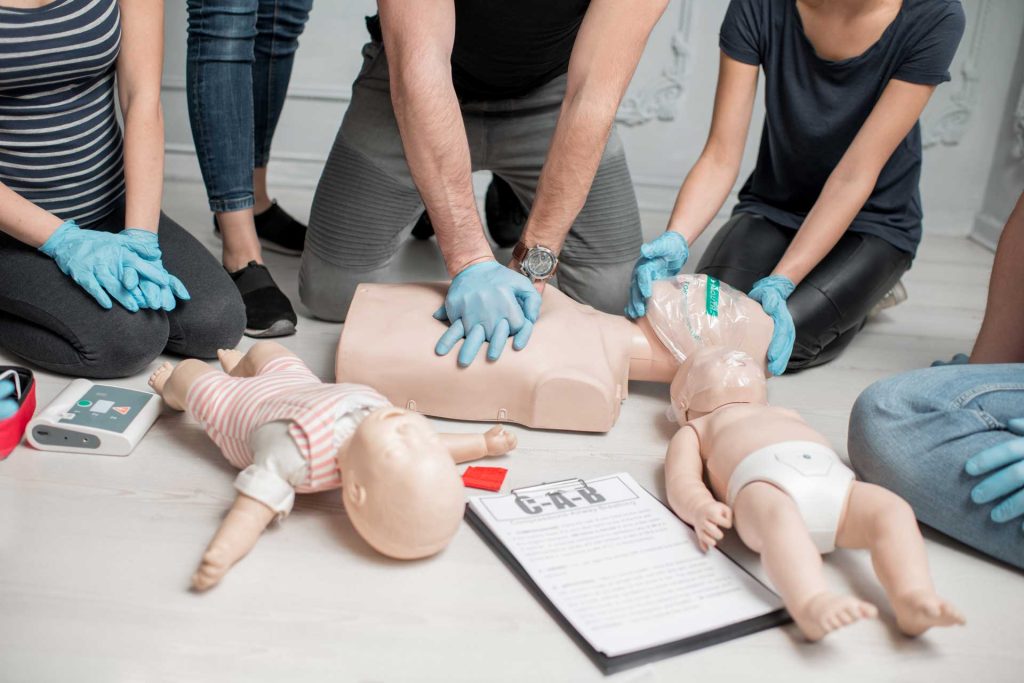
Many colleges partner with authorized suppliers to run these on school. If you browse "fast first aid course near me" throughout the term, the closest option is usually a session held in a lecture room you already know.
What to look for when picking a fast first aid course
Students pushed for time have a tendency to look for "fast certification" and choose the most inexpensive or closest option. That occasionally works, however not constantly. You want your fast first aid training to be greater than a quick slide show and a rushed signature.
Use this short list when comparing fast first aid courses and express cpr courses:
Verify recognition: Is the provider across the country acknowledged or lined up with significant first aid training bodies in your country, and does the certificate meet university or employer needs? Check material: Does the rundown clearly state CPR, AED usage, choking, bleeding control, subconscious casualty administration, and a minimum of standard medical emergency situations such as asthma or anaphylaxis? Confirm practical time: Just how much of the session is hands‑on, practicing abilities on manikins and in scenarios, rather than only seeing slides or videos? Look at layout: Is it totally face to face, partly online, or totally combined, and does that match your knowing design and timetable? Read reviews or ask around: What do other students, club leaders, or team say about the quality of guideline and support?If you require something details like fap first aid (commonly a workplace‑focused standard) or express childcare first aid, verify that the course name on the certificate straightens with what your faculty or company expects.
Inside a 3 hour express CPR or fast first aid session
Students occasionally are afraid that a fast cpr course will be an intense exam atmosphere. In truth, the atmosphere in a great first aid and cpr training class is functional and kicked back, while still serious where it counts.
A common fast CPR or express cpr training block on campus runs like this:
The instructor offers a short review of recognition of heart attack, consisting of how to distinguish fainting or seizure‑like movements from cardiac arrest.
You see a quick demo of correct hand position, compression depth, and price on a CPR manikin, after that exercise repetitively with responses. Some carriers make use of devices that reveal compression deepness and price in genuine time. You learn how an AED works, listen to the voice motivates, and method attaching the pads appropriately. The focus is on not overthinking: open the situation, comply with the motivates, maintain doing compressions. Choking situations adhere to, first aid course for childcare with trainees pairing up to simulate evaluation, back strikes, and abdominal drives (without actual pressure). You additionally discover alterations for pregnancy or obesity. Finally, you go through short consolidated scenarios, moving from initial assessment to calling for aid, CPR, and AED use, often while managing worried "onlookers" played by classmates.Fast first aid courses that expand beyond CPR will put extra stations for bandaging, handling burns, and placing a casualty right into the recovery setting. Even in a pressed session, there need to be space for questions concerning actual situations you have seen in halls or social events.
Online, mixed, and completely in‑person: which suits trainees best
Blended learning has actually ended up being usual in first aid and cpr training classes, specifically for active teams like university students.
Fully in‑person first aid courses are simple. You turn up for an established block of time, learn theory and method in the same session, after that entrust your first aid certificate issued later on. The benefit is clear separation of discovering time from whatever else. The negative aspect is calendar inflexibility.
Online plus brief practical, sometimes called combined or express first aid training, splits theory right into an online element you total before going to a much shorter face‑to‑face session. For numerous students this works well. You can watch short modules between lectures, repeat complicated sections, and get to the practical component prepared to focus on skills.
Fully on the internet choices for first aid and cpr training exist, however they increase a severe issue. High‑quality CPR and hemorrhaging control call for hands‑on technique. Several employers and colleges will certainly decline a certificate from a course without functional evaluation. For life‑saving skills, a lot of experienced trainers strongly like at the very least some in‑person element.
For most trainees, a combined fast first aid and cpr course strikes the very best equilibrium in between versatility and real skills. You obtain the "fast first aid" experience without losing the important physical practice that separates certain -responders from people that only remember diagrams.
Passing the analysis without stress
Assessments in first aid and cpr courses are not implied to trip you up. They exist to confirm that when you hold a first aid certificate, you can do to a trustworthy requirement in real conditions.
During a fast cpr refresher course or a first time fast first aid course, you are normally analyzed on:
Correct hand placement, deepness, and rate of compressions.
Safe and efficient use of an AED on a manikin. Capability to put a casualty right into the recuperation position. Straightforward circumstances where you have to acknowledge the issue, phone call for assistance, and begin proper first aid.
If you are anxious regarding the test, two things help. Initially, inform the instructor early. Good fitness instructors adjust the pace and give additional technique time without making it uncomfortable. Second, treat the assessment like a practice session for real life, not a college examination. If you miss out on an action but correct on your own, that shows real‑world issue solving.
Fast courses still expect you to show skills. The pressed timeline does not imply reduced criteria, only much less time spent in lecture setting. Getting here relaxed, having done any type of pre‑course analysis, and using comfy garments for kneeling and moving around provides you a peaceful advantage.
Keeping skills fresh: refreshers and real‑life practice
First help skills fade remarkably fast if you do not use them. Researches recommend that CPR top quality drops visibly within months without practice, and lots of trainees end up a course and never ever consider it once again till their certificate expires.
For college student, a useful pattern is:
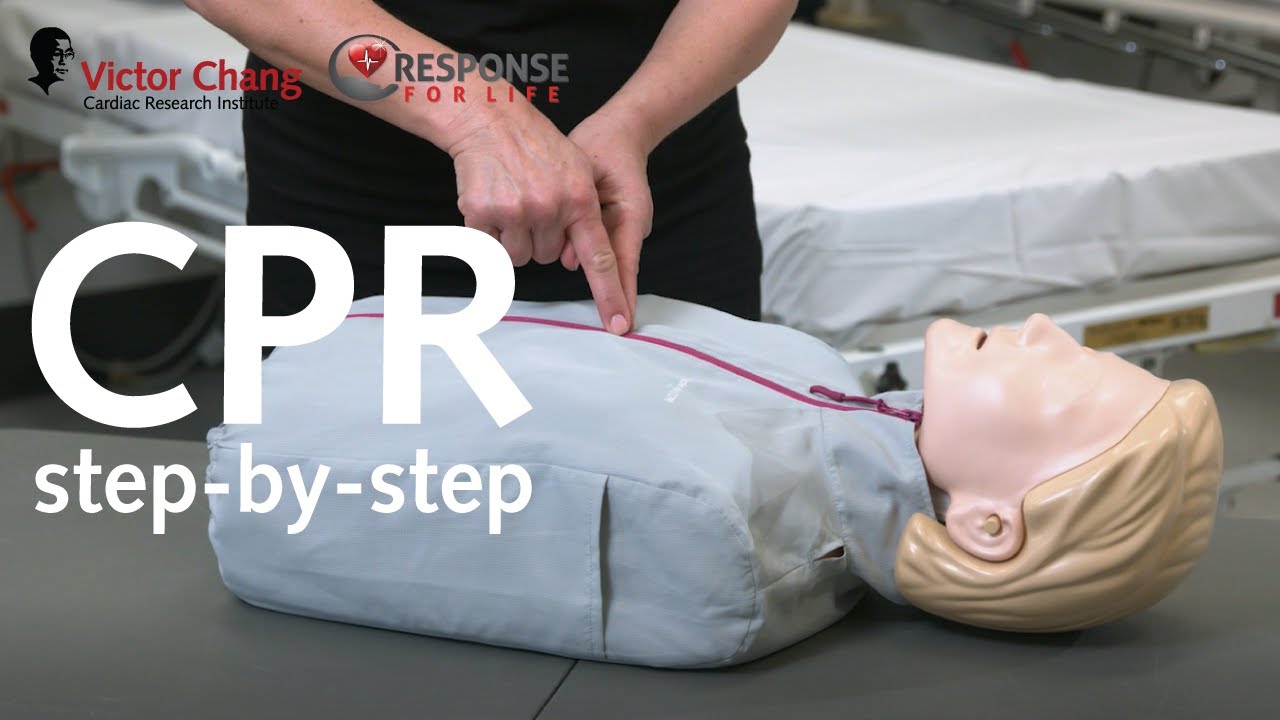
Take a fast first aid and cpr course early in your degree, preferably in the very first year.
Make use of a fast cpr refresher course or express first aid course regarding every twelve month, also if the official certificate stands for longer. Volunteer for duties in clubs and cultures that keep you knowledgeable about safety, such as occasion marshaling or sporting activities first aid liaison.Some training providers provide short cost-free or low‑cost session on university, where you can drop in for 30 minutes to rejuvenate CPR method on a manikin. These are worth attending in examination period when stress and anxiety and exhaustion might blunt your feedback in a real emergency.
If you do wind Click here for more info up utilizing your first aid skills in a major occasion, debrief with someone later. That might be the training provider, a college therapist, or a trusted team member. Real cases can be mentally hefty, and talking through what took place strengthens finding out while caring for your very own wellbeing.
Practical scheduling pointers for students
The void between intending to do a first aid course and in fact completing one usually boils down to timing.
Those who are successful in completing fast first aid courses throughout busy terms often tend to make use of a few straightforward methods in advance:
They check out their term calendar and target quieter weeks, such as promptly after midterms or early in the term prior to assignments pile up.
They coordinate with friends or club teammates to enroll in the same fast first aid course, which helps with inspiration and logistics like transport. They treat the session like an exam or crucial laboratory, blocking off the moment and declining to double‑book it for part‑time work or social events. They pick a venue close to school or holiday accommodation, reducing rubbing from travel. "Fast first aid course near me" is not a saying search term; proximity genuinely makes it more probable you will turn up.Completing first aid and cpr courses can likewise enhance a curriculum vitae or scholarship application. If you are stabilizing competing dedications, remember that this is not simply another tick box. Employers in numerous areas respect applicants who have actually spent their very own time in first aid training.
Bringing it back to what truly counts
Fast first aid, express cpr, blended first aid and cpr training classes, and quick refresher courses exist for a reason. Students are active, typically broke, and frequently handling pressures. Educated carriers have adjusted deliberately fast cpr courses, express first aid courses, and portable first aid and cpr course options that fit into that reality.
The core inquiry is not how many hours you beinged in a class, however whether you can act when someone near you quits breathing, falls down, or bleeds greatly. A great fast first aid course gives you that capacity in a focused, realistic way.
If you are on the fencing, treat it as component of your education, not as an optional extra. You spend years learning how to believe and operate in your picked field. Investing a few hours obtaining the abilities to maintain a close friend, classmate, or complete stranger to life till paramedics get here might come to be the solitary essential point you do at university.